
How Expert Crews Protect Safety, Timelines, and Budgets on Active Job Sites
Construction projects create large amounts of waste. Broken concrete, wood scraps, drywall, metal, and packaging pile up fast. These materials slow work and raise safety risks when left unmanaged. Many property owners underestimate how complex cleanup can be. Sorting debris, loading heavy material, and hauling it away takes time and skill. Local rules also control how waste must be handled. Hiring trained crews solves these issues. You get safer sites, faster progress, and fewer legal worries. Professional cleanup supports smooth project flow from start to finish.
Safer Job Sites Reduce Accidents and Delays
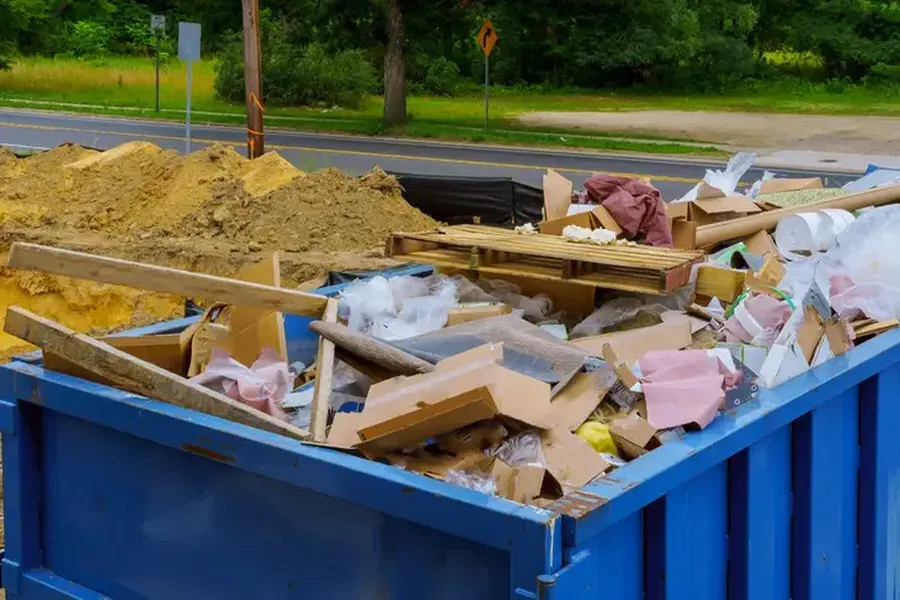
Safety ranks as the top benefit of hiring experts for construction debris removal. These crews know how to handle sharp, heavy, and unstable waste. They use protective gear and proven loading methods. This reduces trip hazards and blocked paths. Fewer hazards lead to fewer injuries and work stoppages. Insurance data shows that clean job sites lower accident claims. You protect workers and visitors while keeping progress steady.
Faster Cleanup Keeps Projects on Schedule
Time matters on every build. Professional teams specialize in construction debris removal and work quickly without cutting corners. They bring the right trucks, bins, and tools. Cleanup happens in stages instead of waiting until the end. This keeps work zones open and crews productive. Missed deadlines often cost more than cleanup services. Fast removal helps avoid penalties and rushed work later.
Understanding Common Cleanup Challenges on Job Sites
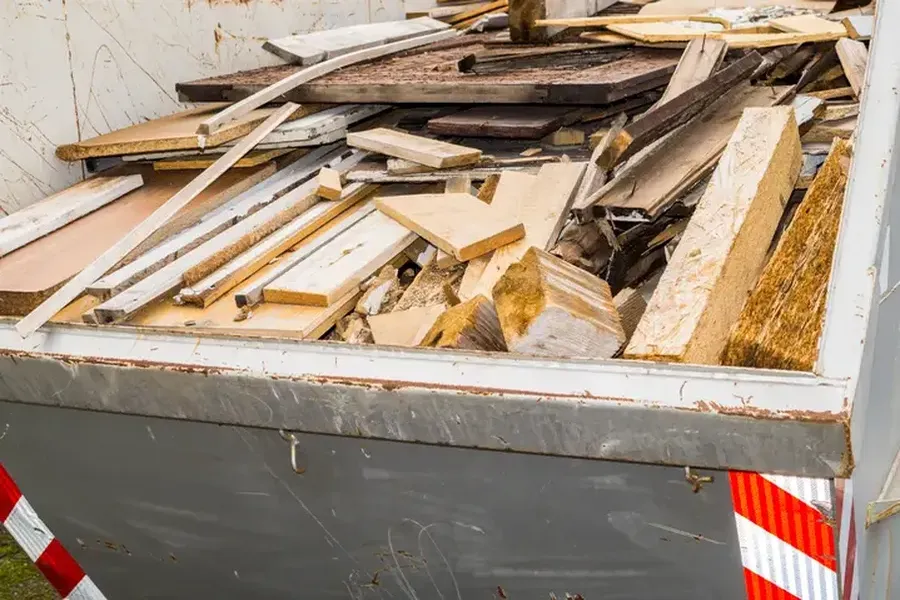
Many projects struggle with waste control. Crews juggle build tasks with cleanup, which distracts focus. Heavy debris strains workers and equipment. Limited space makes stacking waste risky. Rules often change by city and material type. Improper disposal can bring fines and project delays. These issues grow bigger as projects scale. Knowing these challenges shows why expert help matters.
Clear Steps Professionals Follow for Effective Waste Handling
Trained crews follow a simple but strict process. Each step reduces risk and improves speed.
- Inspect the site and identify debris types
- Set safe zones for sorting and loading
- Separate recyclable and restricted materials
- Load waste using proper lifting methods
- Haul debris to approved disposal or recycling facilities
Best Practices That Protect People and Property
Experienced teams use standards that many sites overlook. These practices protect structures and workers while improving efficiency.
- Remove waste daily to avoid buildup
- Use labeled containers for sorted materials
- Secure loads to prevent spills during hauling
- Follow local disposal and recycling rules
- Document waste handling for compliance checks
Meeting Local Rules and Industry Requirements
Waste laws exist to protect communities and the environment. Many regions require permits and proof of proper disposal. Some materials, like treated wood or concrete, need special handling. Professionals stay updated on these rules. They know where to take each waste type. This avoids fines, stop-work orders, and failed inspections. Compliance supports your project reputation.
Cost Factors and Long-Term Value Considerations
Upfront cost worries many owners. Yet professional cleanup often saves money overall. Reduced injuries lower insurance claims. Faster timelines cut labor overages. Correct sorting supports recycling rebates in some areas. You also avoid fines and rework costs. When comparing options, consider full project impact, not just service price.
Pros and Cons of Hiring Cleanup Experts
Weighing advantages and limits helps you decide.
- Pros: safer sites, faster cleanup, rule compliance, less stress
- Cons: upfront service cost, need for scheduling coordination
Planning Next Steps for a Cleaner Build Site
Located in Portsmouth, VA, we handle cleanup needs for projects of all sizes. Haul-a-Lujah Junk Removal & Hauling focuses on safe, efficient debris handling that supports smooth construction progress. Call (757) 796-5712 to schedule service and keep job sites clear, compliant, and on track from start to finish.