
Practical Ways Large Waste Gets Moved Safely and Without Stress
Heavy and bulk waste creates real problems for homes and job sites. Old furniture, damaged appliances, and construction debris take up space fast. Many items are too large or unsafe to move alone. Local rules also limit how and where waste goes. These challenges often cause delays and safety risks. Professional help offers a clear solution. With the right planning, large waste gets removed on time. This approach keeps properties clean, safe, and compliant. Understanding how the process works helps you avoid common mistakes.
Understanding Large Waste Removal Needs
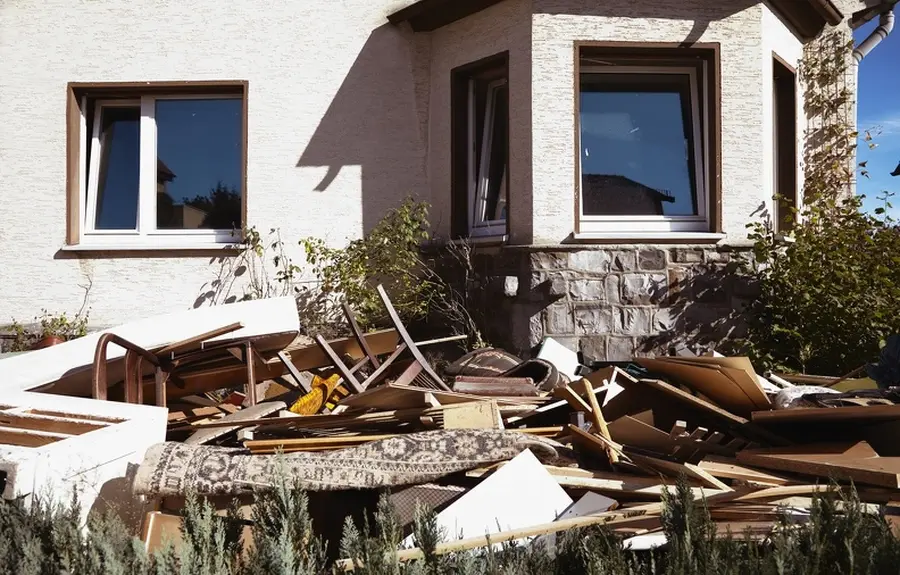
Large waste includes items that exceed normal trash limits. These include sofas, mattresses, drywall, and scrap metal. The weight and size make handling hard. In this stage, hauling services play a key role by providing trained crews. These teams bring tools and vehicles designed for heavy loads. You avoid injuries and property damage. Proper removal also keeps sidewalks and work areas clear. This step supports safety while saving time.
Key Benefits for Homes and Job Sites
Using hauling services reduces stress during cleanouts and projects. These providers manage lifting, loading, and transport. They also know where waste should go. Recycling and legal disposal often matter. This helps meet local rules and avoid fines. You gain more space and regain control fast. Productivity improves when clutter disappears.
Common Problems People Face Without Help
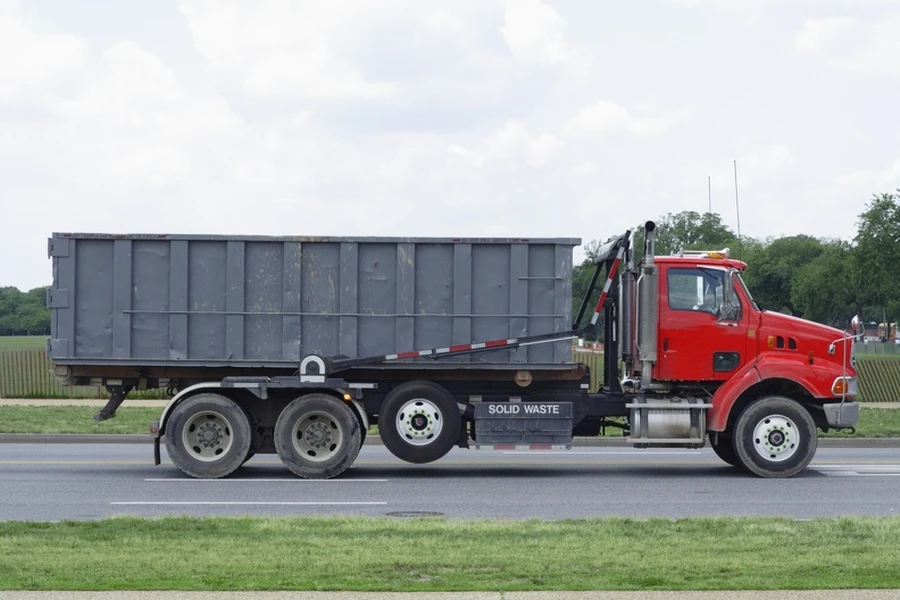
Many people try to handle bulk waste alone. This often leads to back injuries or damaged flooring. Dump trips take hours and cost fuel. Some landfills reject certain materials. Without proper planning, waste sits too long. Neighbors may complain. Missed deadlines add pressure. These issues grow fast during renovation projects.
Step by Step Waste Removal Process
A clear process keeps removal smooth from start to finish. Planning and timing matter most. Following these steps helps avoid delays and confusion.
- Check what items need removal and estimate size
- Schedule pickup before clutter becomes unsafe
- Prepare a clear path for safe lifting
- Confirm disposal or recycling requirements
- Inspect the space after removal
Best Practices for Handling Heavy Items
Safe handling protects people and property. These practices reflect industry experience and safety standards.
- Break down items into smaller parts when possible
- Use gloves and closed toe shoes
- Keep children and pets away from work areas
- Label hazardous materials clearly
Pros and Cons of Professional Removal
Weighing benefits and limits helps set clear expectations. This comparison supports informed decisions.
- Pros: Faster cleanup and reduced injury risk
- Pros: Proper disposal and recycling support
- Cons: Higher upfront cost than self hauling
- Cons: Scheduling may require planning
Rules and Disposal Standards to Know
Local governments set rules for bulk waste. Some items need special handling. These include electronics, paint, and chemicals. Permits may apply for job sites. Weight limits also matter. Following rules avoids fines and delays. Reputable providers track these changes. This keeps your project compliant.
Cost Factors and Long Term Value
Costs depend on item volume, weight, and distance. Labor and disposal fees also affect price. While upfront rates seem high, long term value matters. Faster project completion saves money. Reduced injury risk limits medical costs. Proper recycling may cut landfill fees. Clear pricing supports better budgeting.
Next Steps for Reliable Bulk Waste Solutions With Confidence
Located in Portsmouth, VA, we support safe and efficient heavy waste removal. Haul-a-Lujah Junk Removal & Hauling focuses on clear planning and responsible disposal. We work with homes and job sites to reduce risk. Our crews handle lifting and transport with care. Call (757) 796-5712 to discuss schedule and pricing options. Together, we keep properties clean and compliant.